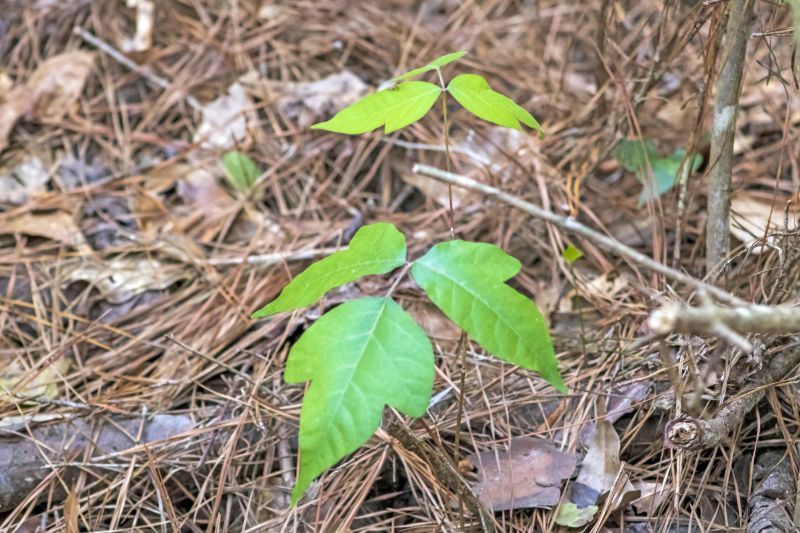
Poison Oak Removal in Burlington County, NJ
Poison oak removal services are designed to safely eliminate this hazardous plant from residential properties, helping homeowners maintain a safe outdoor environment. These services typically cover projects such as clearing poison oak from yards, gardens, fence lines, and wooded areas, especially in locations where the plant has spread or encroached on recreational spaces. Property owners often seek this service to prevent skin irritation, allergic reactions, or accidental contact, making it an important step in outdoor safety and property maintenance.
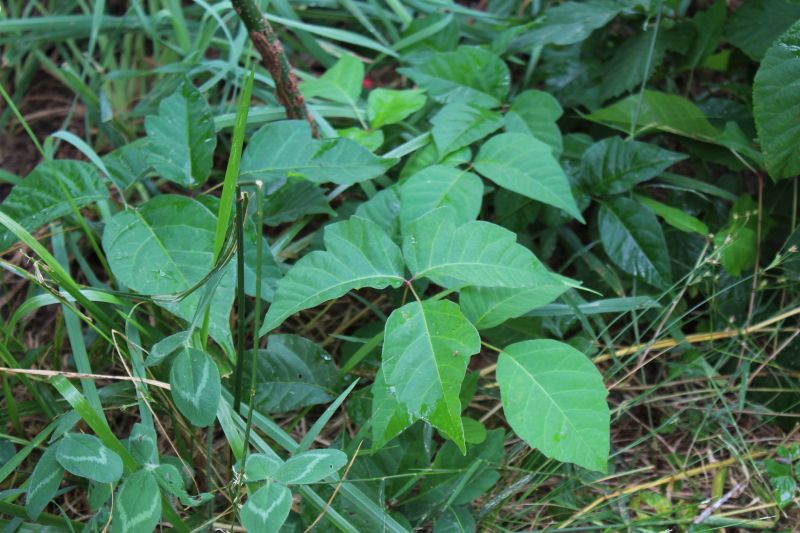
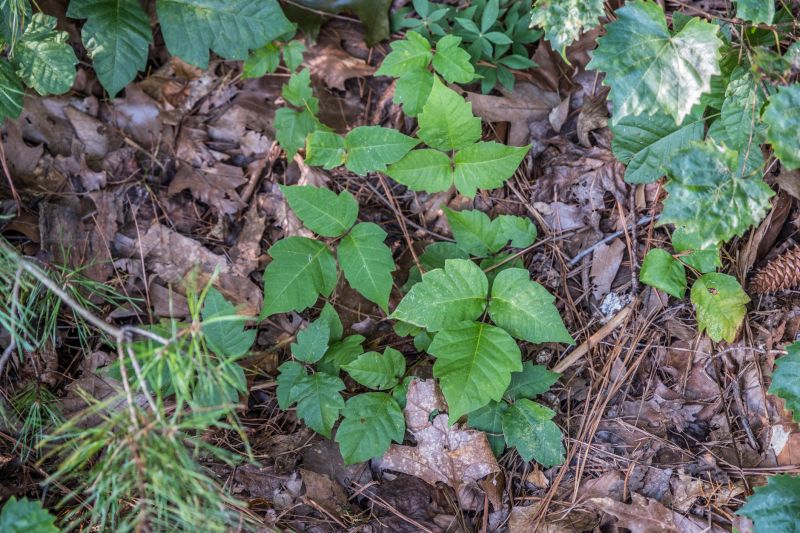
Before requesting poison oak removal, property owners should consider the extent of the infestation and whether the plant is growing near areas of frequent activity or landscaping features. It is also helpful to identify the plant accurately, as poison oak can sometimes be mistaken for other native plants. Understanding the scope of the project and the specific locations of poison oak growth can ensure the removal process is thorough and effective, reducing the risk of regrowth or continued exposure.
Many property owners in Burlington County, NJ look into Poison Oak Removal for repairs, replacements, upgrades, and appearance-related improvements.
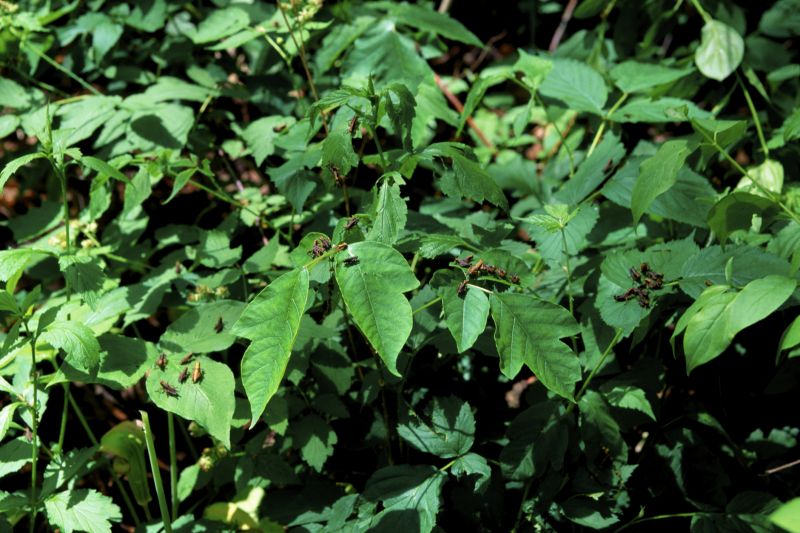
Poison Oak Removal For Property Safety
Removing poison oak helps protect families and pets from skin irritation and allergic reactions.
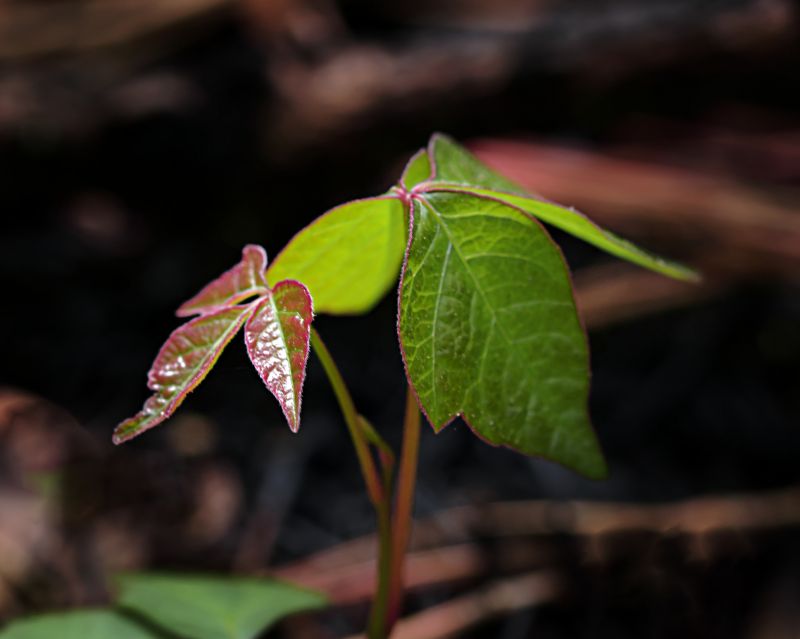
Clearing Overgrown Areas
Professional removal is often needed to safely eliminate poison oak from dense or hard-to-reach locations.
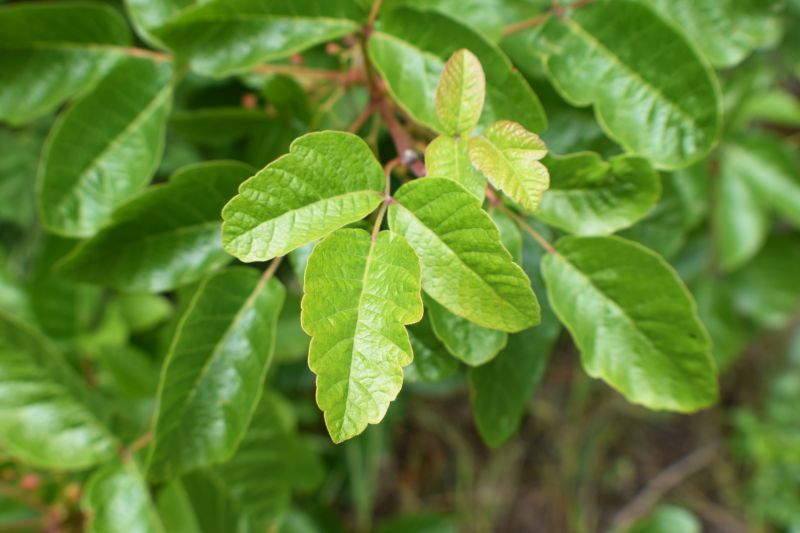
Preventing Future Growth
Proper removal techniques can reduce the chance of poison oak regrowth on residential and commercial properties in burlington county.
Poison Oak Removal in Burlington County, NJ

Poison oak removal services are designed to safely eliminate this hazardous plant from residential properties, helping homeowners maintain a safe outdoor environment. These services typically cover projects such as clearing poison oak from yards, gardens, fence lines, and wooded areas, especially in locations where the plant has spread or encroached on recreational spaces. Property owners often seek this service to prevent skin irritation, allergic reactions, or accidental contact, making it an important step in outdoor safety and property maintenance.
Before requesting poison oak removal, property owners should consider the extent of the infestation and whether the plant is growing near areas of frequent activity or landscaping features. It is also helpful to identify the plant accurately, as poison oak can sometimes be mistaken for other native plants. Understanding the scope of the project and the specific locations of poison oak growth can ensure the removal process is thorough and effective, reducing the risk of regrowth or continued exposure.
Many property owners in Burlington County, NJ look into Poison Oak Removal for repairs, replacements, upgrades, and appearance-related improvements.
Common Poison Oak Removal Jobs
Poison Oak Removal - clearing overgrown areas to eliminate hazardous plants from residential properties.
Landscape Clearing - removing poison oak to prepare yards for new landscaping or lawn installation.
Vegetation Management - targeting poison oak growth in difficult-to-reach spots for safer outdoor spaces.
Property Maintenance - regular removal of poison oak to prevent spread and protect family safety.
Yard Cleanup - clearing poison oak from gardens, pathways, and outdoor recreational areas.
Brush Removal - safely extracting poison oak from wooded or undeveloped land to reduce risk.
Poison Oak Removal Questions
What is poison oak removal? Poison oak removal involves safely eliminating the plant from residential or commercial properties to prevent contact and skin irritation.
Why should property owners consider poison oak removal? Removing poison oak reduces the risk of skin reactions and helps maintain a safe outdoor environment.
What areas are typically targeted for poison oak removal? Commonly treated areas include yards, gardens, trails, and outdoor recreational spaces where the plant is present.
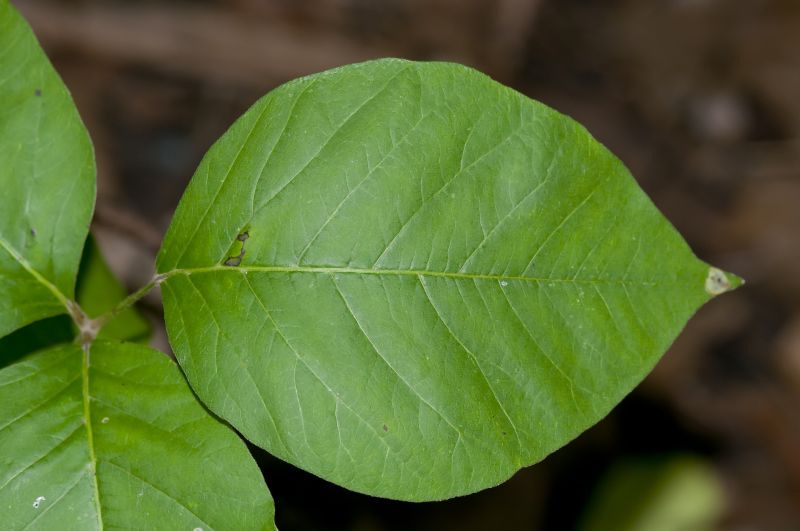
How can poison oak be identified? Poison oak has clusters of leaves that resemble oak trees, usually with a reddish hue during certain seasons and a characteristic three-leaf pattern.
Request Poison Oak Removal in Burlington County, NJ
Use the quote form on this page to share the basics of your project and request more information for the type of work you need.