Poison Ivy Removal in Philadelphia, PA
Poison ivy removal services focus on safely eliminating this invasive plant from residential properties, including yards, gardens, fences, and wooded areas. These services typically involve identifying and carefully removing poison ivy vines, roots, and surrounding growth to prevent future spread. Property owners often request this service to reduce health risks associated with contact dermatitis, protect children and pets, and restore the safety and appearance of outdoor spaces. Before requesting poison ivy removal, it is helpful to understand the extent of the growth, the location of the plants, and any specific safety concerns related to nearby structures or sensitive areas.
Property owners should consider whether the poison ivy is in easily accessible or hard-to-reach locations, such as tall trees or dense underbrush, which may require specialized equipment or techniques. Clarifying the scope of the project, including whether removal is limited to certain areas or involves clearing large sections, helps ensure expectations are aligned. Additionally, understanding whether the removal process includes disposal or proper handling of the plants can influence planning. Proper identification of poison ivy and awareness of potential regrowth are important factors to discuss when seeking removal services.
Many property owners in Philadelphia, PA look into Poison Ivy Removal for repairs, replacements, upgrades, and appearance-related improvements.
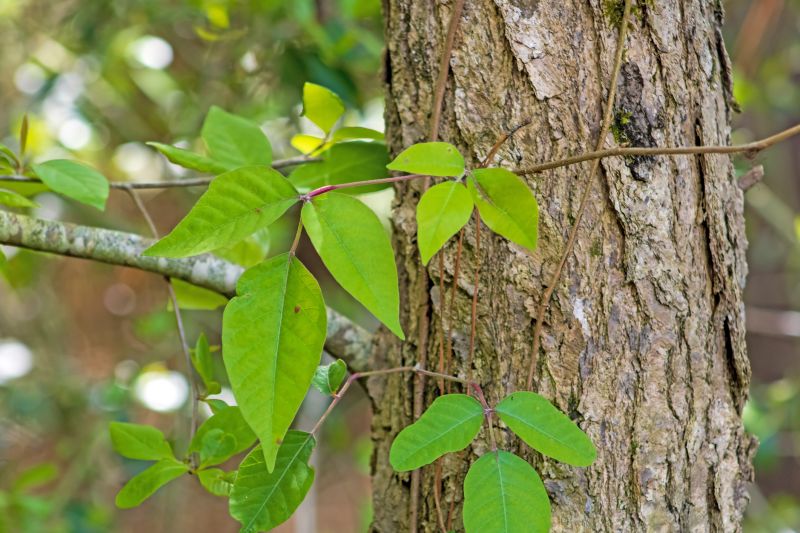
Identifying Poison Ivy
Recognizing the signs of poison ivy on your property to prevent exposure.
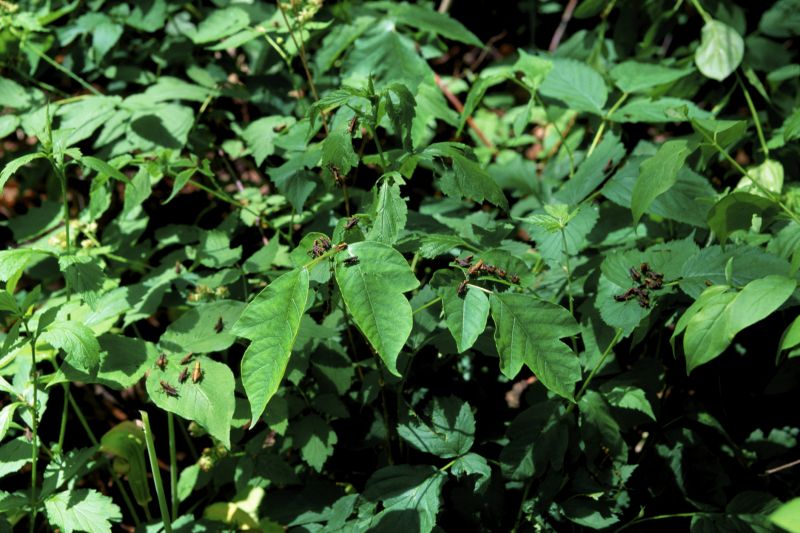
Safe Removal Techniques
Using proven methods to eliminate poison ivy while protecting surrounding plants and landscape.
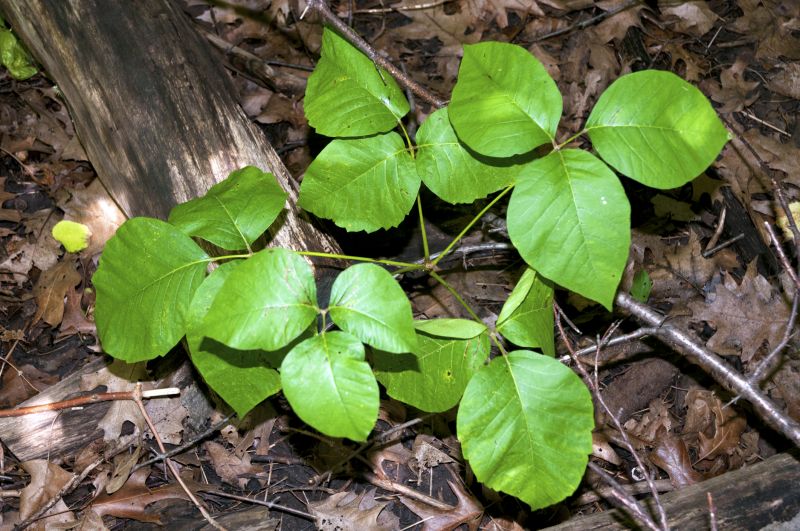
Preventative Measures
Implementing strategies to prevent future growth of poison ivy in residential and commercial areas around philadelphia.
Poison Ivy Removal in Philadelphia, PA
Poison ivy removal services focus on safely eliminating this invasive plant from residential properties, including yards, gardens, fences, and wooded areas. These services typically involve identifying and carefully removing poison ivy vines, roots, and surrounding growth to prevent future spread. Property owners often request this service to reduce health risks associated with contact dermatitis, protect children and pets, and restore the safety and appearance of outdoor spaces. Before requesting poison ivy removal, it is helpful to understand the extent of the growth, the location of the plants, and any specific safety concerns related to nearby structures or sensitive areas.
Property owners should consider whether the poison ivy is in easily accessible or hard-to-reach locations, such as tall trees or dense underbrush, which may require specialized equipment or techniques. Clarifying the scope of the project, including whether removal is limited to certain areas or involves clearing large sections, helps ensure expectations are aligned. Additionally, understanding whether the removal process includes disposal or proper handling of the plants can influence planning. Proper identification of poison ivy and awareness of potential regrowth are important factors to discuss when seeking removal services.
Many property owners in Philadelphia, PA look into Poison Ivy Removal for repairs, replacements, upgrades, and appearance-related improvements.
Common Poison Ivy Removal Jobs
Poison Ivy Removal - professional removal services target and eliminate poison ivy from yards and landscapes.
Yard Clearing - safely remove poison ivy from garden beds, lawns, and outdoor spaces.
Property Maintenance - ongoing management to prevent poison ivy regrowth on residential properties.
Brush and Shrub Clearing - removal of poison ivy from overgrown bushes and wooded areas.
Landscape Cleanup - thorough cleanup after poison ivy removal to restore yard safety.
Hazardous Plant Removal - specialized removal of poison ivy to reduce allergen exposure and property risk.

Poison Ivy Removal Questions
What is poison ivy removal? Poison ivy removal involves safely eliminating the plant from residential or commercial properties to prevent skin irritation and environmental spread.
Why remove poison ivy from a property? Removing poison ivy reduces health risks for residents and visitors, and helps maintain the safety and appearance of outdoor spaces.
What areas are typically treated for poison ivy? Commonly treated areas include yards, gardens, fences, and around trees or shrubs where the plant is growing.
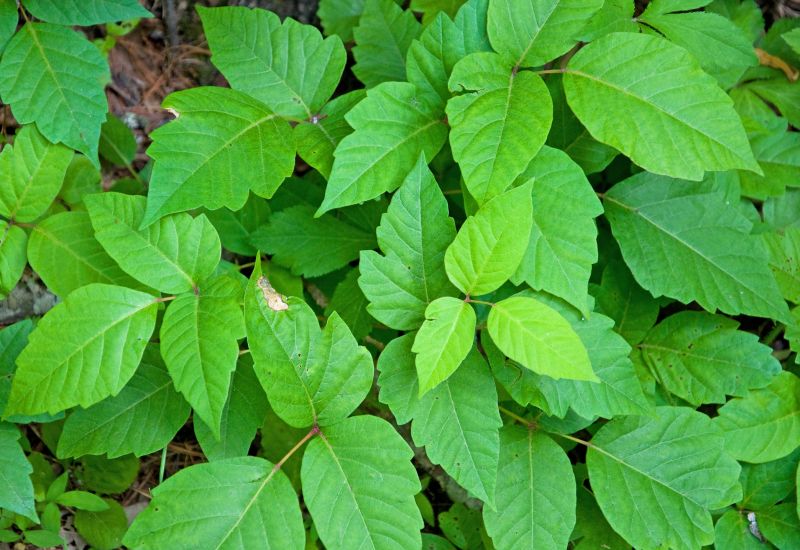
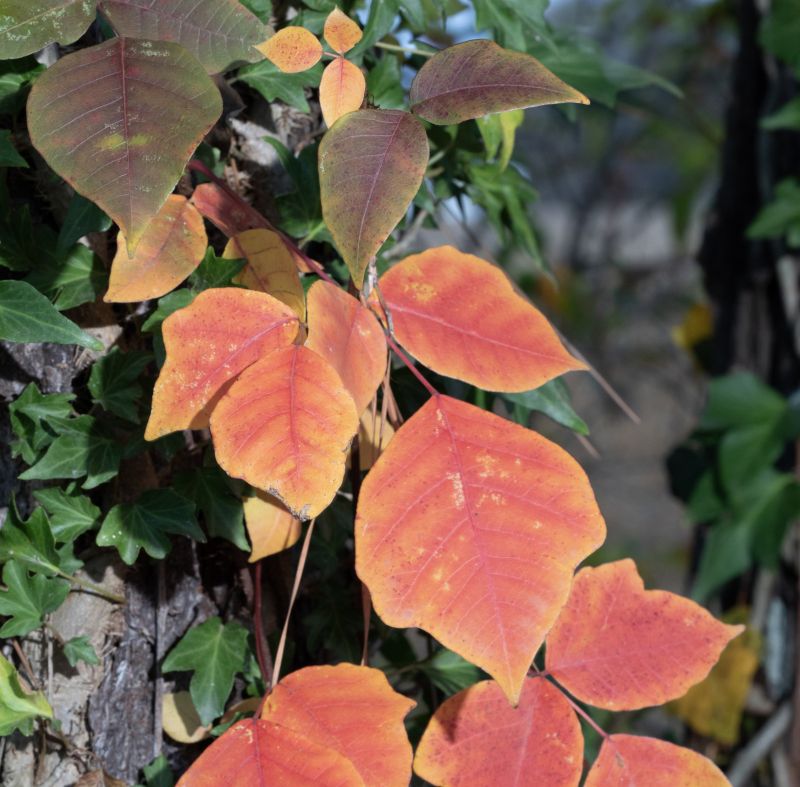
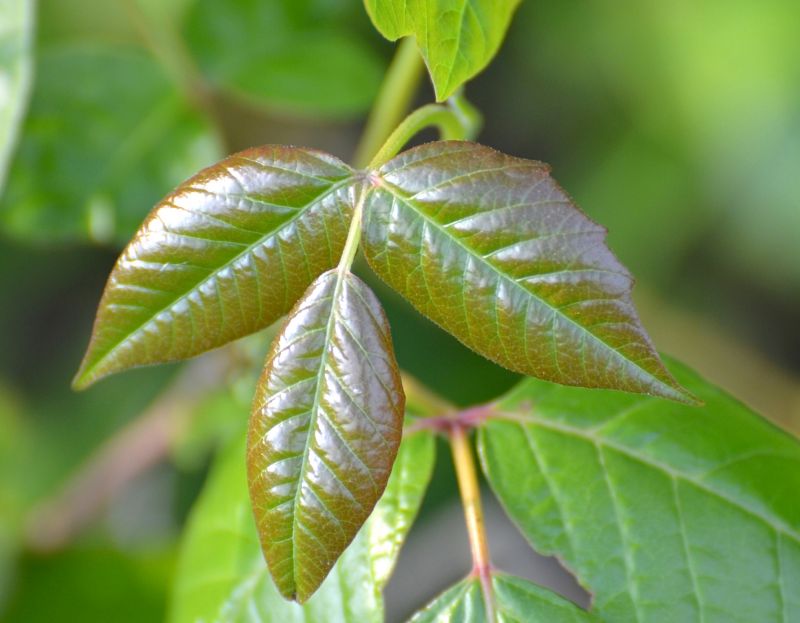
How can poison ivy be identified? Poison ivy usually has clusters of three leaflets with a glossy surface, often with a reddish tint in spring or fall and vine-like growth.
Request Poison Ivy Removal in Philadelphia, PA
Use the quote form on this page to share the basics of your project and request more information for the type of work you need.